
Blogs •
November 3, 2026
November Is American Diabetes Month Raising Awareness and Support
What Is American Diabetes Month?
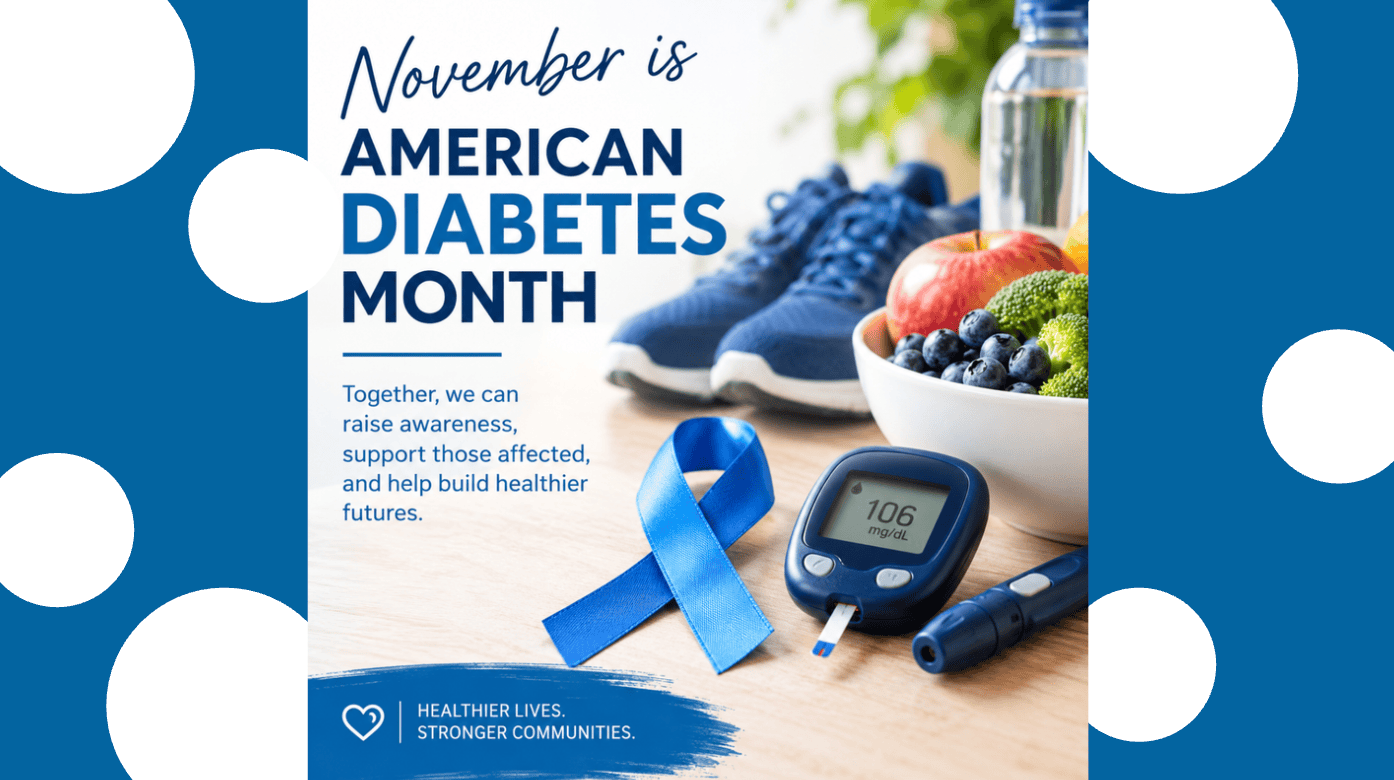
American Diabetes Month is observed every November to raise awareness about diabetes and the challenges it presents for individuals, families, and communities. The observance provides an opportunity to share educational resources, encourage conversations about diabetes prevention and management, and recognize the work of healthcare professionals and nonprofit organizations.
Throughout the month, healthcare providers, advocacy groups, community organizations, and individuals may participate in awareness campaigns, educational events, fundraising activities, and outreach programs.
The goal is to help more people understand diabetes and recognize the importance of early diagnosis, appropriate treatment, and ongoing support.
Diabetes awareness is important because the condition can affect many aspects of daily life. People living with diabetes may need to monitor blood sugar, manage medications, plan meals, remain physically active, and attend regular medical appointments. Access to healthcare, education, and support can make these responsibilities easier to navigate.
American Diabetes Month reminds communities that diabetes is not simply a medical issue. It is also a family, workplace, and community concern that benefits from understanding and compassion.
Understanding Diabetes and Its Different Types
Diabetes develops when the body cannot produce enough insulin or cannot use insulin effectively. Insulin is a hormone that helps glucose move from the bloodstream into cells, where it can be used for energy. When this process does not work properly, blood glucose levels can become too high.
There are several major types of diabetes, and understanding their differences is an important part of diabetes awareness.
Type 1 Diabetes
Type 1 diabetes is an autoimmune condition in which the body’s immune system attacks the insulin-producing cells in the pancreas. As a result, the body produces little or no insulin.
People with type 1 diabetes need insulin every day to survive. The condition can develop during childhood or adulthood, and its development is not caused simply by eating too much sugar or failing to maintain a healthy lifestyle.
Research continues to improve understanding of type 1 diabetes and explore new approaches to treatment and prevention.
Type 2 Diabetes
Type 2 diabetes occurs when the body does not use insulin effectively and, over time, may not produce enough insulin to maintain healthy blood glucose levels.
It is the most common type of diabetes. Risk factors can include family history, age, physical inactivity, certain medical conditions, and other genetic and environmental influences. Some risk factors can be modified, while others cannot.
Healthy eating patterns, physical activity, and appropriate medical care can help many people manage type 2 diabetes. For some individuals, medication is also an important part of treatment. Type 2 diabetes can affect people of different body sizes and backgrounds, so it is important to avoid assumptions about who can develop the condition.
Gestational Diabetes
Gestational diabetes develops during pregnancy in people who did not previously have diabetes. Hormonal changes during pregnancy can affect how the body uses insulin, leading to elevated blood glucose levels.
Medical monitoring and appropriate treatment can help protect the health of both the pregnant person and the baby. People who experience gestational diabetes also have an increased risk of developing type 2 diabetes later in life, making follow-up care important.
Understanding these different forms of diabetes helps promote more accurate conversations and encourages people to seek reliable information from qualified healthcare professionals.
Why Diabetes Awareness Matters
Diabetes can affect the heart, kidneys, eyes, nerves, and other parts of the body, particularly when blood glucose remains elevated over time. With appropriate treatment, monitoring, and support, many people living with diabetes can manage their condition and reduce the risk of complications.
However, not everyone has equal access to healthcare, medications, healthy food, or diabetes education. Financial challenges, transportation barriers, and limited access to medical services can make diabetes management more difficult.
Awareness campaigns help bring attention to these challenges and encourage communities to support programs that improve access to care.
American Diabetes Month also helps address misconceptions. Diabetes is not one single condition, and people do not develop every type for the same reasons. Individuals living with diabetes may need different treatments and support depending on their diagnosis, medical history, and circumstances.
Learning about diabetes can help family members, employers, educators, and community organizations offer more thoughtful and practical support.
Recognizing the Signs and Symptoms of Diabetes
Recognizing possible diabetes symptoms can encourage people to seek medical evaluation. Symptoms may develop gradually or appear more suddenly, depending on the type of diabetes.
Common symptoms can include increased thirst, frequent urination, unusual fatigue, blurred vision, unexplained weight loss, and increased hunger. Some people with type 2 diabetes may have few noticeable symptoms, which makes routine healthcare and appropriate screening important.
Type 1 diabetes can develop quickly and may lead to a life-threatening condition called diabetic ketoacidosis. Warning signs can include nausea, vomiting, abdominal pain, deep or rapid breathing, and confusion. These symptoms require urgent medical attention.
Symptoms alone cannot confirm a diabetes diagnosis. A healthcare professional can recommend appropriate blood tests and determine whether additional evaluation is necessary.
During American Diabetes Month, sharing accurate information about symptoms and screening can help people better understand when to seek medical advice.
Healthy Habits That Can Support Diabetes Management
Although diabetes cannot always be prevented, certain lifestyle habits can support overall health and help many people manage blood glucose levels. Recommendations should be tailored to each person’s medical needs, preferences, and guidance from their healthcare team.
Choose Balanced, Nourishing Foods
A balanced eating pattern can support overall health and blood glucose management. Meals that include vegetables, whole grains, protein sources, healthy fats, and fiber-rich foods can help provide essential nutrients.
People living with diabetes do not necessarily need to eliminate all carbohydrates or avoid every food containing sugar. Instead, individualized meal planning can help people understand how different foods affect their blood glucose levels.
Registered dietitians and diabetes care specialists can offer practical guidance based on individual needs.
Make Physical Activity Part of Daily Life
Regular physical activity can support cardiovascular health, improve insulin sensitivity, and contribute to overall well-being. Walking, swimming, cycling, dancing, and other activities can be useful options depending on a person’s abilities and medical circumstances.
People who are beginning an exercise routine or managing diabetes-related complications should discuss appropriate activity levels with a healthcare professional when needed.
Prioritize Routine Healthcare
Regular medical appointments can help people monitor blood glucose, review medications, and evaluate potential complications. Healthcare professionals may also recommend monitoring blood pressure, cholesterol, kidney health, and eye health.
For individuals at increased risk of type 2 diabetes, screening and preventive support may help identify concerns earlier.
Support Mental and Emotional Well-Being
Living with diabetes can involve daily decisions and ongoing responsibilities. Some people experience stress, frustration, anxiety, or burnout while managing their condition.
Emotional support from loved ones, healthcare professionals, peer groups, and diabetes educators can help people feel less isolated. Recognizing the emotional side of diabetes is an important part of compassionate care.
How Families and Communities Can Support People With Diabetes
Support from family members, friends, employers, and community organizations can make a meaningful difference in the lives of people living with diabetes.
One of the most helpful approaches is to listen without judgment. Diabetes management can look different for each person, and unsolicited advice or assumptions about someone’s habits may create unnecessary stress.
Families can offer practical assistance by helping prepare balanced meals, joining loved ones for physical activities, or providing transportation to appointments when appropriate. Friends and coworkers can help by respecting medical needs and supporting reasonable accommodations.
Communities can also promote awareness by sharing reliable educational materials, hosting health-related events, and supporting organizations that provide diabetes education, research, and patient resources.
Small acts of understanding can help create an environment where people feel comfortable discussing their health and seeking the support they need.
Nonprofit Organizations Making a Difference in Diabetes Research and Care
Nonprofit organizations play an important role in diabetes awareness and advocacy. Depending on their missions, these organizations may fund research, provide educational resources, support families, advocate for better healthcare access, and connect people with diabetes-related services.
Some organizations focus on advancing scientific discoveries and developing better treatments. Others concentrate on helping people understand their diagnosis, access educational programs, or navigate the practical challenges of living with diabetes.
Charitable support can help these organizations continue their work. Donations may contribute to research initiatives, public education, community programs, and services for people who need additional assistance.
American Diabetes Month is an ideal time to learn about organizations working in this field and consider how personal involvement can support their missions.
When choosing a nonprofit, individuals can review its mission, programs, financial transparency, and current needs to determine which organization aligns with their charitable priorities.
How Car Donations Can Support Charitable Causes
Charitable giving takes many forms, and financial contributions can help nonprofits continue providing valuable services to their communities. For people who want to make a difference but have an unused vehicle, car donation may offer another way to support a charitable mission.
Cars2Charities helps connect vehicle donors with participating nonprofit organizations. Through an eligible vehicle donation, donors may be able to support a charitable cause without going through the process of selling an older or unwanted car themselves.
Depending on the vehicle and program requirements, donated cars may be sold, recycled, or otherwise processed to generate proceeds for charity. Those proceeds can help participating organizations fund programs and pursue their missions.
During American Diabetes Month, individuals interested in supporting diabetes research, education, or patient services can explore participating charities to see whether an eligible diabetes-focused organization is available through the Cars2Charities program.
Vehicle donations may also support other causes that contribute to community well-being, including healthcare access, family services, food assistance, and educational programs.
Before donating, it is important to confirm the intended charitable recipient, review the program’s terms, and understand the applicable tax rules. A charitable vehicle donation does not automatically guarantee a particular tax deduction; eligibility and the amount deductible depend on IRS requirements and individual circumstances.
Making a Difference Beyond November
American Diabetes Month provides a valuable reminder that awareness and support matter throughout the year. Diabetes affects people from many backgrounds, and ongoing research, accessible healthcare, reliable education, and community involvement remain essential.
Individuals can help by learning about diabetes, sharing accurate information, supporting loved ones, and contributing to organizations working to improve prevention, treatment, and quality of life.
For people living with diabetes, compassionate support can make everyday responsibilities feel more manageable. For families, increased awareness can provide a better understanding of the challenges their loved ones face. For nonprofits, community involvement can help sustain programs and research that benefit people across the country.
November is an opportunity to recognize the millions of people affected by diabetes and renew a shared commitment to education, research, and better health outcomes.
By supporting awareness initiatives and charitable organizations, communities can help advance a future in which people affected by diabetes have greater access to knowledge, resources, and the care they deserve.