
How Does Car Donation Work?
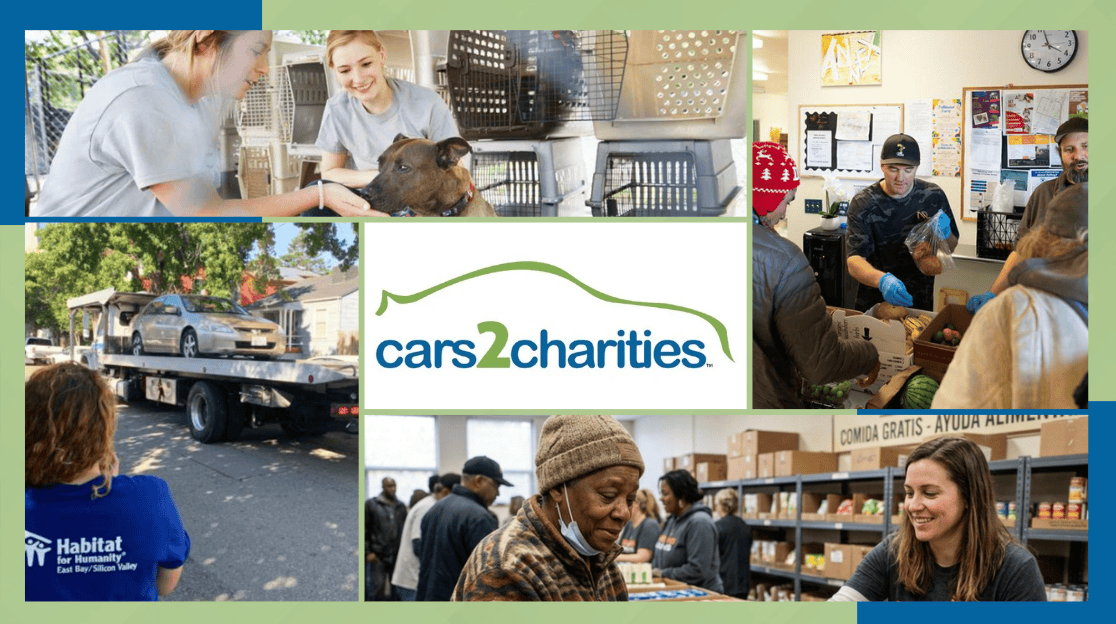
Car donation programs give vehicle owners an opportunity to turn an unwanted car, truck, van, motorcycle, or other eligible vehicle into charitable support. Instead of selling the vehicle privately or paying to have it removed, donors can work with Cars2Charities to coordinate the donation process.
In our program, the vehicle is picked up by a towing company and transported at no cost to the donor. Depending on its condition, age, mileage, and potential resale value, the vehicle may be sold at auction, for salvage, or directed toward another appropriate disposition.
The proceeds generated through the donation process then support the designated charitable organization, according to the program’s arrangements.
Organizations such as Cars2Charities help connect vehicle donors with participating nonprofits. This provides donors with a convenient way to support charitable causes while giving an unwanted vehicle an opportunity to create value.
How Charities Use Money From Car Donations

Charities have different missions, and the way they use car donation proceeds depends on their specific programs, operating expenses, and funding needs. For many organizations, these funds help cover expenses that are essential to delivering services.
1. Providing Food and Basic Necessities
Food banks, community outreach organizations, and hunger-relief nonprofits work to make sure individuals and families have access to nutritious meals and essential supplies.
Car donation proceeds can help support food purchasing, food distribution, transportation, storage, and other program expenses. For example, a community food pantry may need refrigerators, packaging materials, fuel, or additional supplies to serve local residents.
When a donation program generates funding for a hunger-relief organization, that financial support can help the nonprofit continue providing assistance to people experiencing food insecurity.
Even when a charity receives contributions from many different sources, additional funding can help it maintain existing services and respond to changing community needs.
2. Rescuing and Caring for Animals

Animal shelters and rescue organizations often operate with limited budgets while caring for abandoned, neglected, and homeless animals. Their expenses may include veterinary examinations, vaccinations, spay and neuter procedures, food, shelter, and emergency medical treatment.
Funds from car donations can help support these essential services, depending on the organization’s funding arrangements.
For example, an animal rescue may use additional charitable funding to purchase food, provide medical care for an injured dog, or help prepare rescued cats for adoption. Other organizations may use funds to support foster programs, community education, or efforts to reduce pet overpopulation.
For donors who care deeply about animal welfare, donating a vehicle through a program that supports an animal charity can be a practical way to contribute to the well-being of animals in need.
3. Supporting Veterans and Military Families
Veterans’ organizations provide a range of services for former service members and their families. Depending on the organization, these services may include housing assistance, employment resources, mental health support, emergency financial assistance, and help navigating available benefits.
Car donation proceeds can help participating veterans’ charities fund programs that serve these communities.
For example, additional financial support may contribute to outreach services, resource coordination, or programs designed to help veterans transition to civilian life. Some organizations also work to connect veterans with housing, educational opportunities, and community support.
For donors who want to honor veterans and their service, a vehicle donation can offer another way to support organizations dedicated to helping them.
4. Helping Children and Families

Children’s charities and family-service nonprofits work to improve the lives of young people and caregivers through education, mentorship, foster care, adoption services, and family support programs.
These organizations may use car donation funding to help pay for educational materials, youth activities, counseling services, supplies, and other program-related expenses.
Foster care and adoption organizations, for example, may need resources to support children and families throughout the placement process. Community organizations may offer after-school programs, tutoring, or activities that provide children with safe and supportive environments.
Car donations can help these nonprofits maintain their services and reach more families when the proceeds are directed toward their work.
5. Funding Medical Research and Health Services
Health-focused charities support people affected by illnesses and medical conditions through research funding, patient assistance, education, advocacy, and access to resources.
Depending on the nonprofit, car donation proceeds may help support research initiatives, educational programs, patient support services, or efforts to raise awareness about a particular condition.
For example, an organization dedicated to breast cancer awareness may provide educational resources and connect individuals with screening information or support services. Other health charities may focus on neurological conditions, arthritis, diabetes, or disabilities.
Every organization has its own funding priorities, but additional contributions can help health-focused nonprofits continue working toward better outcomes for the people they serve.
6. Providing Housing and Support for People Experiencing Homelessness
Housing-focused charities and community organizations help individuals and families facing homelessness or housing insecurity. Their work may include emergency shelter, transitional housing, rental assistance, case management, job-readiness programs, and connections to community resources.
Car donation proceeds can help support these services and the expenses associated with delivering them.
For example, a nonprofit may need funding for household supplies, transportation assistance, outreach programs, or supportive services that help people work toward stable housing.
Because homelessness often involves multiple challenges, including unemployment, financial hardship, and limited access to resources, funding from charitable contributions can help organizations provide more comprehensive support.
7. Strengthening Local Schools and Community Programs
Not every charity operates on a national scale. Many nonprofits focus on improving the quality of life in their own neighborhoods.
Local schools, parent-teacher associations, youth sports programs, community centers, and recreation organizations may rely on donations and fundraising to maintain activities and services.
Car donation proceeds can help these organizations fund educational programs, equipment, recreational activities, community events, and other initiatives that benefit local residents.
For example, a community recreation nonprofit may use charitable funding to help maintain youth activities, while an educational organization may direct available resources toward classroom materials or enrichment programs.
These contributions can help local organizations continue serving the people who depend on them.
What Happens to a Donated Car After Pickup?

One of the most common questions donors ask is what happens to their vehicle after it has been picked up.
The answer depends on the vehicle. Not every donated car is handled in the same way.
Some vehicles may be suitable for resale, while others may be sold through an auction. Cars with mechanical problems, collision damage, or significant wear may still have value because of their usable components or recyclable materials.
Even a vehicle that no longer runs may contain parts that can be reused or materials that can be recycled. Depending on its condition and market value, these possibilities may help generate proceeds for the charitable organization.
The donation process typically involves several steps, including arranging pickup, evaluating or processing the vehicle, determining the appropriate method of sale or disposition, and distributing proceeds according to the program’s agreements.
This means an unwanted vehicle does not necessarily have to be in perfect condition to make a charitable contribution possible. Eligibility and acceptance depend on the donation program and the circumstances of the vehicle.
Can You Donate a Car That Does Not Run?
Yes, Cars2Charities accepts non-running cars, although eligibility requirements vary.
A vehicle with engine failure, transmission problems, electrical issues, flat tires, a dead battery, high mileage, or collision damage may still have resale, parts, or recycling value.
For donors, this can be particularly helpful when repairing an older vehicle would cost more than it is worth. Rather than investing additional money in a car that is no longer practical to maintain, an owner may be able to donate it and support a charitable cause.
Before arranging pickup, provide accurate information about the vehicle’s condition, location, title status, and any known mechanical problems. This helps the donation program determine whether it can accept the vehicle and arrange appropriate transportation.
Donating a vehicle that no longer serves your needs can provide a useful alternative to letting it sit unused in a driveway or parking space.
Why Car Donations Matter to Nonprofit Organizations
Charities often depend on a combination of individual contributions, grants, fundraising events, corporate partnerships, and other sources of revenue. Vehicle donation programs can provide another way for supporters to contribute.
One benefit of car donation fundraising is that it allows people to make a contribution using an asset they already own rather than making a separate cash donation.
For someone who has purchased a new vehicle, inherited an older car, or no longer wants to maintain a second vehicle, donating it may be a convenient way to support a cause.
Car donations can also help nonprofits reach people who might not otherwise participate in traditional fundraising activities. Someone who cannot make a large cash contribution may still have an unwanted vehicle that can potentially generate charitable proceeds.
The amount ultimately received by a charity varies based on the vehicle’s value, the costs associated with processing and selling it, and the terms of the donation program. However, each eligible donation can represent another potential source of funding for nonprofit work.
How Donors Can Choose a Charity for Their Car Donation
Choosing a charity is an important part of the donation process. Donors should consider which causes matter most to them and look for a donation program that explains how its process works.
Start by identifying the mission you want to support. You might be passionate about animal welfare, education, veterans’ services, medical research, environmental protection, or assistance for families in need.
Next, reach out to Cars2Charities to see the list of participating nonprofits. We have hundreds of wonderful nonprofits ready for help from car donations.
It is also important to understand how the vehicle donation program handles pickup and title paperwork. Cars2Charities sends you all the donation details via email when the pickup is scheduled.
Finally, keep the donation paperwork you receive. If you plan to claim a tax deduction, make sure you understand the applicable Internal Revenue Service rules and retain the required documentation.
Taking these steps can help you make a thoughtful donation that aligns with your charitable priorities.
Can You Get a Tax Deduction for Donating a Car?
YES! Donating a vehicle to a charitable organization will qualify you for a tax deduction. The amount you may claim depends on the circumstances of the donation and applicable tax rules. The minimum tax deduction for a car is $500.
Vehicle donation deductions are based on the gross proceeds from the sale of the vehicle, subject to applicable rules and exceptions. Special rules may apply when a charity uses the vehicle for a qualifying purpose or makes a qualifying material improvement before selling it.
The Internal Revenue Service generally requires appropriate written acknowledgment and, depending on the value and circumstances, additional documentation. Different requirements may apply depending on the claimed deduction amount.
Donors should also remember that a tax deduction is not the same as a tax credit. A deduction generally reduces taxable income rather than directly reducing the tax bill dollar for dollar.
If you are considering a vehicle donation for tax purposes, consult the IRS guidance on vehicle donations and speak with a qualified tax professional about your individual circumstances.
How Cars2Charities Helps Connect Vehicle Donations With Charitable Causes
Car donation programs can make it easier for vehicle owners to support nonprofits without managing the entire process themselves. Cars2Charities helps connect donors with participating charitable organizations and coordinates the vehicle donation process.
Through a vehicle donation, an unwanted car may create proceeds that help support a participating nonprofit’s mission. Depending on the program arrangements and the vehicle’s value, those proceeds may contribute to services such as animal rescue, education, veteran assistance, community outreach, and other charitable programs.
The process can also offer convenience to donors who have an older vehicle they no longer need or a car that would be difficult or expensive to sell privately.
For people who want to combine practical vehicle disposal with charitable giving, car donation can be a meaningful option to explore. Before donating, review the program’s terms, confirm which organization will benefit, and ask how the proceeds are handled.
Turning an Unwanted Vehicle Into an Opportunity to Give Back
Car donations demonstrate how an asset that has outlived its usefulness to one person may still have value to a charitable cause. Whether a vehicle is resold, auctioned, or processed for usable parts and recyclable materials, it may help generate funding for organizations working to improve lives.
From supporting homeless animals and providing educational opportunities to assisting veterans and helping families access essential resources, charitable organizations rely on financial support to continue their work.
When vehicle owners choose a reputable donation program and understand how their contributions are handled, they can turn an unwanted car into an opportunity to support a cause that matters to them.
For donors, the benefit is the chance to give back in a practical way. For charities, vehicle donation proceeds can offer an additional source of funding that helps sustain important programs and services.