
Blogs •
January 26, 2026
The Emotional Side of Letting Go of a Car for Good
Cars are more than transportation. For many people, they hold memories, mark milestones, and symbolize independence. From the first car you drove on your own to the family vehicle that carried countless trips and errands, these machines often become intertwined with life’s stories. Letting go of a car can feel surprisingly emotional, even when it is no longer needed. Car donation offers a way to transform that emotional experience into a purposeful and meaningful act.
When a car is donated, it carries forward a legacy of value, shifting from personal utility to community benefit. This shift can provide a sense of closure and satisfaction, transforming what might otherwise feel like loss into a deliberate act of generosity. Donors often find that the emotional weight of letting go is eased when they know the vehicle will support charitable programs that address real human needs.
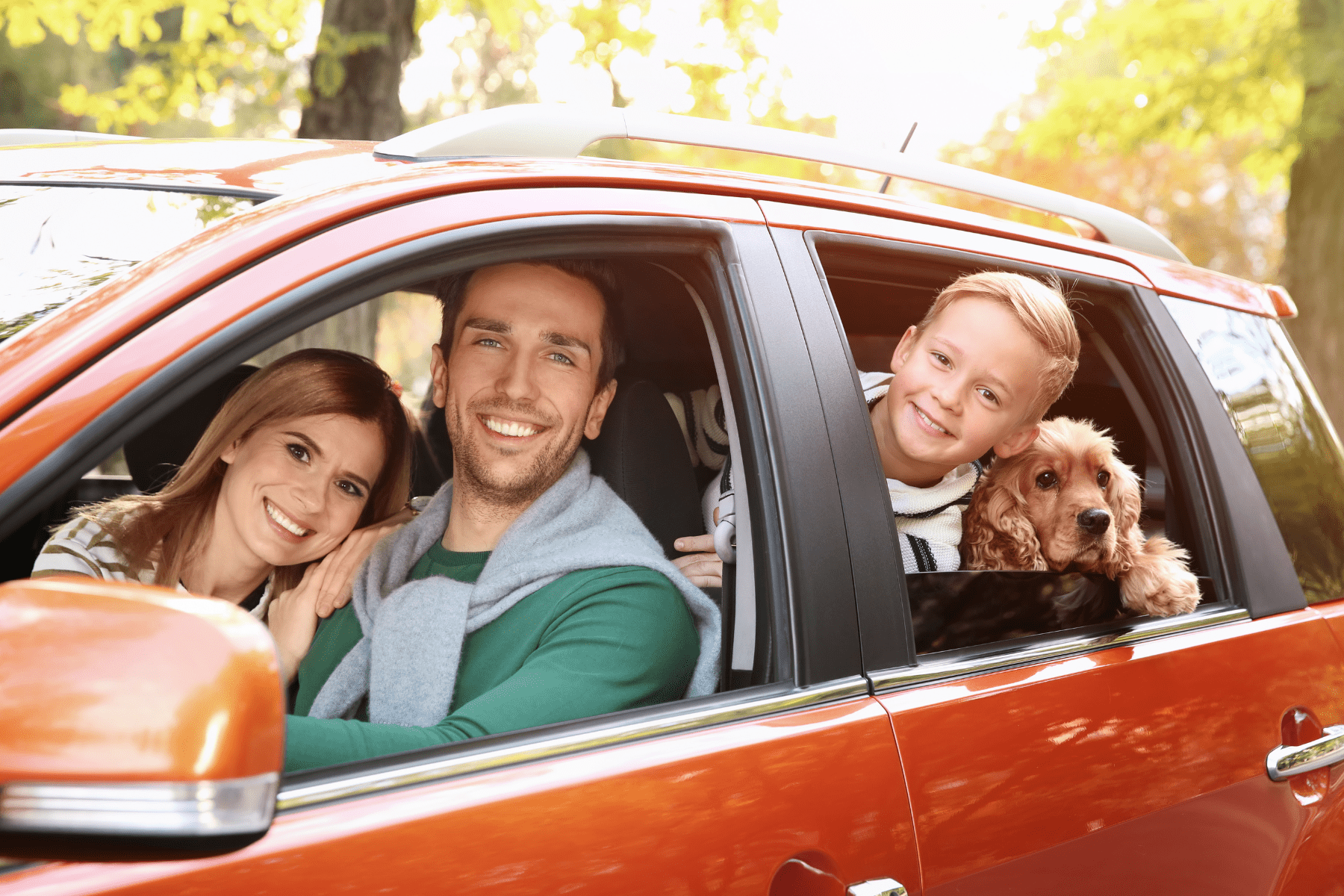
The emotional connection to a car is often tied to memories. It may have been your first vehicle, the car that took you to your first job, or the one that carried your children to school and activities. These associations can make the act of parting feel significant, even when the car itself is no longer practical. Recognizing this emotional attachment is important because it underscores why car donation is not just a logistical act, but a meaningful one.
Car donation allows people to honor the role a vehicle played in their lives while redirecting its value toward positive impact. Rather than selling a car in a transactional process, donors give it a second life through charitable work. Knowing that a vehicle will help fund food programs, shelters, healthcare initiatives, or other nonprofit services can turn a personal farewell into a story of contribution and hope.
Many donors also experience a sense of empowerment through car donation. Letting go of a car voluntarily—rather than seeing it as an inevitable necessity—allows individuals to make a conscious choice. This choice affirms the donor’s values, reinforces their sense of agency, and creates a tangible result that benefits others. The process transforms the emotional challenge of letting go into an empowering, fulfilling experience.
The act of giving a car can also evoke reflection on life stages and personal growth. For example, adults may donate a vehicle as children leave home, symbolizing a new chapter of independence and adaptation. Seniors downsizing may find emotional relief in redirecting a long-held asset toward causes that matter to them. Even families upgrading or consolidating vehicles can experience a unique sense of purpose by donating an older car. In each scenario, the vehicle becomes a bridge between personal history and future impact.
There is also a profound sense of continuity in car donation. Vehicles that once served individual or family needs now support the broader community. The impact extends far beyond the donor, reaching people who rely on nonprofit programs for essential services. This continuity allows donors to experience a feeling of contribution that resonates long after the vehicle has been collected.
Emotions surrounding car donation are further amplified by the knowledge of responsible handling. Cars2Charities ensures that vehicles are evaluated, resold, or recycled in ways that maximize value for charitable organizations and minimize waste. Donors can feel confident that their car is being used responsibly, aligning their emotional intentions with tangible outcomes.
Many donors report a unique satisfaction in knowing that an emotional attachment has been transformed into practical support for others. The car’s past—its trips, stories, and personal significance—is honored, while its present and future are directed toward meaningful programs. This transformation offers a sense of purpose that is rare in everyday life, turning an ordinary object into a source of ongoing impact.
Letting go of a car can also inspire reflection on the broader nature of generosity. When an object of personal significance becomes a tool for helping others, it reinforces the idea that giving is not only about money or time. It is also about thoughtfully redirecting resources—tangible assets that might otherwise go unused—toward causes that improve lives and strengthen communities.
The emotional dimension of car donation also fosters gratitude. Donors often feel grateful for the opportunity to make a difference in a meaningful and practical way. They recognize that even a single vehicle can support essential programs, and that their decision to give back matters. This gratitude can deepen their connection to the charitable mission and encourage ongoing participation in community support.
Car donation provides a unique balance between practicality and emotion. Donors address a logistical challenge—removing an unused vehicle from their driveway—while simultaneously engaging in an act of generosity that resonates on a personal level. This combination enhances the overall satisfaction of giving, creating a memorable and affirming experience.
Ultimately, the emotional impact of letting go of a car is inseparable from its practical outcomes. By donating a vehicle, donors convert personal attachment into community benefit. They create a ripple effect, supporting nonprofits that help people access food, shelter, healthcare, and other essential services. The car’s journey continues, but its significance is transformed, creating both personal fulfillment and lasting social impact.
Through car donation, letting go is no longer just about separation or loss. It becomes a deliberate, meaningful decision that strengthens communities, honors personal memories, and fosters a sense of purpose. The act of donating a car turns an emotional challenge into an opportunity for positive change, leaving donors with both practical and emotional satisfaction, knowing their gift will continue to make a difference long after it leaves their driveway.