
Blogs •
November 26, 2026
Understanding Homelessness and the Importance of Homeless Shelters
What Causes Homelessness?
There is no single reason why someone becomes homeless. Every person’s circumstances are different, and homelessness can affect individuals from virtually every background.
One of the most common contributing factors is financial instability. When rent, utilities, groceries, transportation, and other living expenses increase faster than household income, many people struggle to keep up. An unexpected medical bill, reduction in work hours, or sudden job loss can create a financial crisis that puts someone’s housing at risk.
Domestic violence is another significant cause of homelessness. Individuals escaping abusive relationships may have to leave their homes quickly, sometimes without financial resources or a safe place to go. Shelters that specialize in helping survivors provide a secure environment and access to additional support.
Mental health challenges, substance use disorders, physical disabilities, and limited access to healthcare can also contribute to housing instability. Without appropriate resources and support, individuals may find it difficult to maintain employment, secure housing, or navigate complicated assistance programs.
Families with children, young adults aging out of foster care, veterans, and seniors living on limited incomes are also among the populations that may experience homelessness.
Recognizing that homelessness has many causes is important because it reminds us that people experiencing housing insecurity need compassion, resources, and opportunities rather than judgment.
How Homeless Shelters Help Individuals and Families
Homeless shelters provide essential services to people who need immediate assistance. While programs differ depending on the organization and community, many shelters work to address both the immediate needs of individuals and the circumstances that contributed to their housing instability.
Emergency Housing and a Safe Place to Sleep
One of the most important services homeless shelters provide is temporary housing. For someone sleeping outdoors, in a vehicle, or in an unsafe environment, access to a secure place can make an enormous difference.
Emergency shelters offer protection from extreme weather, access to restrooms and showers, and a safe environment where individuals can begin addressing their immediate needs.
Some shelters serve individuals, while others provide specialized accommodations for families with children, veterans, women escaping domestic violence, or young adults.
Having a safe place to stay can be the first step toward rebuilding stability.
Meals and Essential Supplies
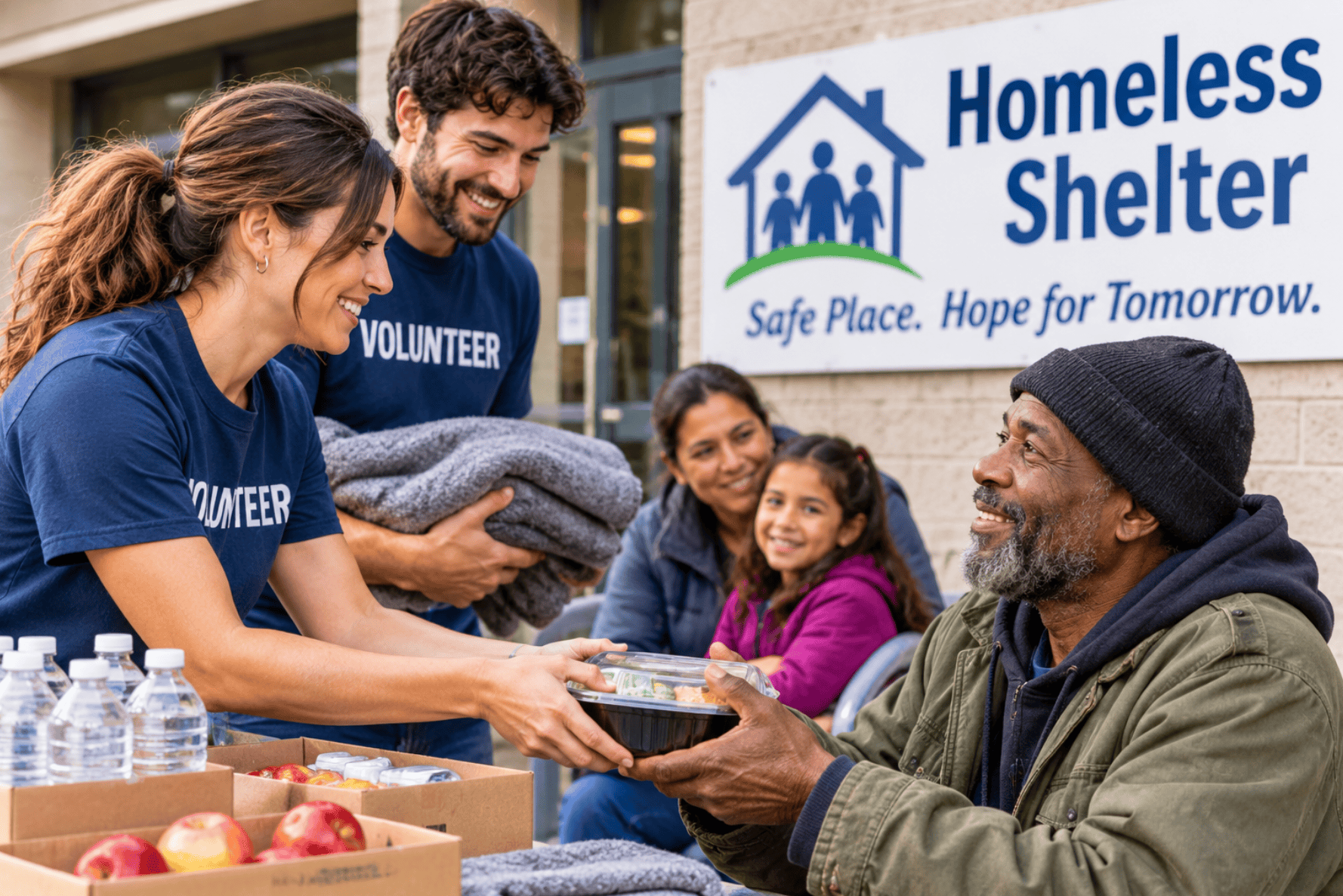
Access to nutritious food and basic necessities is another important part of homeless assistance programs. Many shelters provide daily meals, drinking water, hygiene products, clean clothing, blankets, and other essential supplies.
For individuals who have lost access to stable housing, these everyday necessities can be difficult to obtain. Nonprofit organizations and community food programs often partner with shelters to ensure residents have access to meals and groceries.
These services help individuals focus on their next steps without having to worry constantly about where their next meal will come from.
Employment Assistance and Job Training
Finding employment can be challenging for someone experiencing homelessness. Without a permanent address, reliable transportation, appropriate clothing, or access to technology, even applying for a job can become difficult.
Many homeless shelters offer employment assistance programs designed to help residents regain financial independence. These services may include resume preparation, interview coaching, computer access, job placement assistance, and vocational training.
By helping individuals develop practical skills and connect with employment opportunities, shelters can provide an important foundation for long-term stability.
Mental Health and Support Services
Homelessness can create tremendous emotional stress. The uncertainty of where to sleep, how to obtain food, and how to stay safe can take a significant toll on a person’s well-being.
Many shelters connect residents with mental health professionals, social workers, substance use recovery programs, and other community resources.
These services recognize that finding housing is only one part of the process. Individuals may also need ongoing support to address personal challenges, improve their health, and build a more secure future.
Transitional and Permanent Housing Assistance
While emergency shelters provide immediate relief, long-term housing is often the ultimate goal.
Some nonprofit organizations offer transitional housing programs that allow individuals and families to stay in supportive environments while working toward permanent housing. These programs may include case management, financial education, employment assistance, and life-skills training.
Permanent supportive housing programs combine stable housing with ongoing services for people who may need additional assistance because of disabilities, chronic health conditions, or other complex circumstances.
These programs help address homelessness beyond the immediate crisis and provide opportunities for individuals to establish lasting independence.
Why Homelessness Is a Year-Round Community Issue
Homelessness does not disappear when the holidays are over. Although colder weather often brings increased attention to people living outdoors, individuals and families experience housing insecurity throughout the entire year.
During winter, homeless shelters may face increased demand as people seek protection from freezing temperatures, rain, and severe weather. Emergency shelters often need additional blankets, warm clothing, meals, and volunteers.
Spring brings opportunities for organizations to expand outreach programs, connect individuals with housing resources, and replenish supplies used during the colder months.
Summer creates different challenges. Extreme heat can be dangerous for people without access to air conditioning, clean drinking water, or safe indoor environments. Shelters and outreach organizations may provide cooling centers, water distribution, and additional assistance during heat waves.
As fall approaches, nonprofit organizations begin preparing for another winter while continuing to serve individuals and families experiencing homelessness.
Because these needs exist throughout the year, homeless shelters depend on consistent community support rather than donations limited to the holiday season.
The Importance of Nonprofit Organizations in Fighting Homelessness
Nonprofit organizations are an essential part of the effort to address homelessness in America. Many operate shelters, provide outreach services, distribute meals, assist with housing placement, and advocate for people experiencing housing insecurity.
Some organizations focus on specific populations, such as homeless veterans, women and children escaping domestic violence, young adults, or families facing financial hardship.
Others work to prevent homelessness by providing rental assistance, emergency financial support, case management, and connections to affordable housing resources.
These organizations often collaborate with local governments, churches, healthcare providers, schools, businesses, and other community groups.
Working together allows nonprofits to reach more people and provide services that address the different challenges associated with homelessness.
However, operating these programs requires substantial resources. Shelters must cover expenses such as building maintenance, utilities, food, staffing, transportation, supplies, and professional services.
Charitable donations help nonprofit organizations continue their work and reach individuals who need assistance.
How You Can Help Homeless Shelters and People Experiencing Homelessness
There are many ways individuals and businesses can support organizations working to address homelessness.
Donating money is one way to help shelters cover operating expenses and purchase supplies. Financial contributions allow nonprofit organizations to direct resources toward their most urgent needs.
Donating clothing, blankets, toiletries, and other essential items can also make a difference. Many shelters accept gently used clothing and new personal care products, although donation requirements vary by organization.
Volunteering is another meaningful way to contribute. Preparing meals, organizing supplies, helping with community outreach, and assisting with administrative tasks all help shelters operate more effectively.
Businesses can also support homeless assistance programs through charitable partnerships, fundraising events, employee volunteer opportunities, and financial contributions.
Another option is donating a vehicle to benefit a participating nonprofit organization. Through Cars2Charities, vehicle owners can donate eligible cars, trucks, SUVs, and other vehicles while designating a participating charity to receive the proceeds generated by the donation.
For nonprofit organizations dedicated to helping people experiencing homelessness, these contributions can help fund important programs and services. An unwanted vehicle can become a valuable charitable resource, helping support organizations that provide shelter, food, housing assistance, and other essential community services.
Every contribution, regardless of its size, can help strengthen the network of organizations working to make a difference.
Why Supporting Homeless Shelters Benefits Entire Communities
Helping people experiencing homelessness is not only about supporting individuals in difficult circumstances. It is also an investment in healthier, safer, and more connected communities.
When people have access to stable housing, nutritious food, healthcare, and employment opportunities, they have a better opportunity to participate in their communities and work toward financial independence.
Children who have stable housing can experience greater consistency in their education. Adults can focus on employment and personal goals. Seniors and individuals with disabilities can access services that help them maintain their well-being.
Community shelters and nonprofit organizations also provide important connections between people in need and the resources available to help them.
Addressing homelessness requires long-term commitment, cooperation, and compassion. No single organization can solve the problem alone, but every nonprofit, volunteer, donor, and community partner can contribute to meaningful progress.
Making a Difference Through Year-Round Charitable Giving
Homelessness is a complex issue that affects millions of lives and requires ongoing attention. Homeless shelters provide essential services that help individuals and families find safety, meet basic needs, and begin working toward a more stable future.
From emergency beds and hot meals to employment resources and permanent housing assistance, these organizations serve as an important lifeline for people experiencing difficult circumstances.
Supporting homeless shelters and nonprofit organizations should not be limited to the holiday season. These organizations need resources, volunteers, and charitable contributions throughout the year to continue providing essential services.
Whether through financial contributions, donated goods, volunteer work, or vehicle donations, everyone has an opportunity to play a part in helping people facing homelessness.
When communities come together to support those in need, they help create opportunities for hope, stability, and a brighter future.