
Blogs •
October 12, 2026
What Happens When You Donate a Car?
Why People Donate Cars
Vehicle donations continue to grow in popularity because they offer a practical solution for unwanted vehicles while supporting charitable programs.
People donate cars for many reasons:
- The vehicle no longer runs
- Repairs are too expensive
- They want to avoid selling privately
- They need fast vehicle removal
- They want a potential tax deduction
- They want to support nonprofits
For many donors, convenience and community impact are the two biggest motivations.
Step 1: Starting the Car Donation Process
The process typically begins online or over the phone.
Donors provide basic information about the vehicle, including:
- Year, make, and model
- Mileage
- Vehicle condition
- Title status
- Pickup location
This information helps determine how the vehicle will be processed and transported.
The initial submission process is usually quick and straightforward.
Step 2: Scheduling Vehicle Pickup
Once the donation is accepted, a pickup time is arranged.
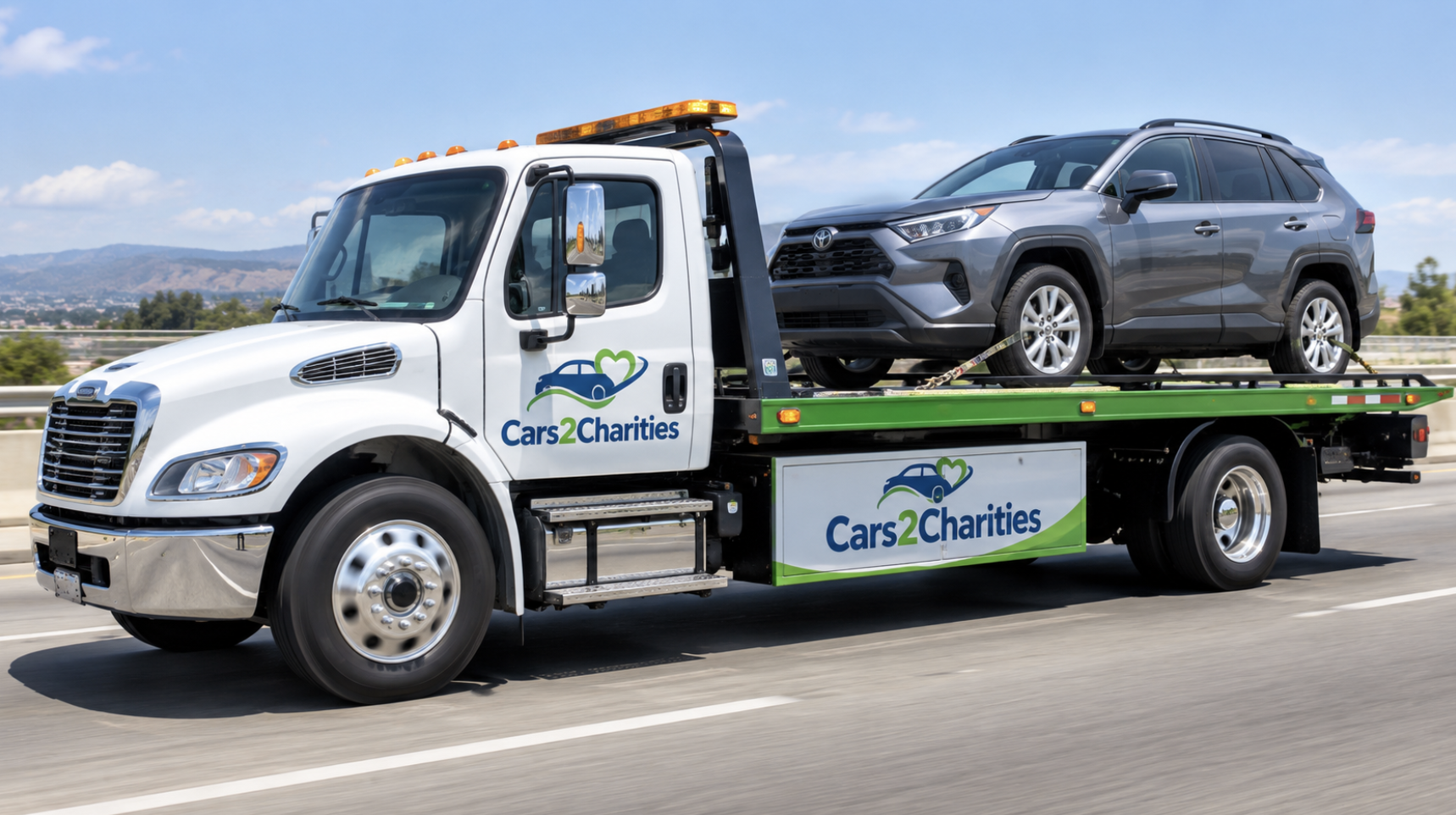
One of the most attractive parts of donating a vehicle is that towing is often free. Donors do not need to deliver the car themselves, even if the vehicle no longer runs.
Tow companies or transportation partners usually contact the donor directly to coordinate:
- Pickup date
- Pickup time
- Vehicle access instructions
In many areas, pickup can happen within a few days.
What Happens on Pickup Day?
On the scheduled day, the tow operator arrives to collect the vehicle.
The donor usually completes:
- Title transfer paperwork
- Donation acknowledgment forms
Once the paperwork is finalized, the vehicle is loaded and removed.
At this point:
- The donor is typically no longer responsible for the vehicle
- The donation receipt process begins
- Insurance can usually be canceled afterward
The entire pickup process often takes less than 30 minutes.
Step 3: Vehicle Evaluation and Processing
After pickup, the vehicle is transported to a processing facility, auction site, or salvage partner.
The next step depends heavily on:
- Vehicle condition
- Age
- Market value
- Mechanical functionality
Each donated car is evaluated to determine the best way to maximize charitable proceeds.
What Happens to Running Vehicles?
If the vehicle is operational and has resale value, it is often:
- Cleaned
- Evaluated
- Sent to auction
Auctions help generate proceeds that support nonprofit organizations connected to the donation program.
Some vehicles may also be sold directly to dealers or buyers depending on market conditions.
What Happens to Non-Running Vehicles?
Non-running vehicles still hold value.
Even if the car cannot be driven, it may still be:
- Recycled for scrap metal
- Dismantled for usable parts
- Sold for salvage value
Components such as:
- Engines
- Tires
- Batteries
- Electronics
- Catalytic converters
can still generate revenue.
This is why many donation programs accept junk cars and damaged vehicles.
How Vehicle Auctions Work
Auction sales are one of the most common outcomes for donated vehicles.
Once prepared, the vehicle is listed for sale through:
- Public auctions
- Dealer auctions
- Online auction systems
Buyers may include:
- Used car dealers
- Mechanics
- Rebuilders
- Export buyers
- Salvage companies
The final sale price helps determine how much funding is generated for charitable causes.
How Nonprofits Benefit From Car Donations
One of the biggest misconceptions is that charities always receive the vehicle itself. In many cases, nonprofits benefit financially through the proceeds generated from the vehicle’s sale or recycling value.
Funds raised through vehicle donation programs can help support:
- Veteran services
- Homeless outreach
- Food programs
- Senior care
- Mental health support
- Animal rescue organizations
- Educational programs
Vehicle donations can become an important funding stream for nonprofit operations.
Why Car Donations Matter to Nonprofits
Nonprofit organizations often rely heavily on donations to sustain programs and expand services.
Vehicle donations are valuable because:
- They provide larger asset-based contributions
- They create funding without requiring cash donations
- They help organizations reach new supporters
For some nonprofits, car donation programs help fund essential community services throughout the year.
What Documentation Does the Donor Receive?
Proper documentation is an important part of the donation process.
Initial Donation Receipt
After the vehicle is picked up, donors typically receive:
- A temporary donation receipt or acknowledgment
This confirms the donation was completed.
Final Tax Documentation
If the vehicle is sold, the donor later receives documentation that may include:
- Sale amount
- Vehicle identification information
- IRS-required forms when applicable
These documents are important for donors who plan to claim a charitable deduction on their taxes.
Can You Track Where Your Donation Goes?
Some donation platforms provide updates or explanations regarding:
- Vehicle processing
- Supported charities
- Program impact
Transparency is important because donors want reassurance that their contribution genuinely supports nonprofit causes.
Programs like Cars2Charities help connect donors with organizations that align with their personal interests and values. You get to choose the orginization that benefits from your car.
Common Concerns About Car Donation
“Is my donated car really helping charities?”
In legitimate donation programs, proceeds from vehicle sales or recycling help support nonprofit organizations and charitable initiatives.
“What if my vehicle is in poor condition?”
Most donation programs accept vehicles regardless of condition, including:
- Junk cars
- Damaged vehicles
- Non-running cars
“Will pickup cost me money?”
Many vehicle donation programs provide free towing and pickup services.
“What if I lost my title?”
Some organizations may still be able to assist, although additional paperwork requirements may apply depending on state laws.
Environmental Benefits of Car Donation
Vehicle donation can also support environmental sustainability.
Cars that cannot be resold are often:
- Recycled responsibly
- Salvaged for reusable components
- Processed to reduce landfill waste
This helps reduce environmental impact by extending the useful life of vehicle materials.
Why More People Are Donating Cars in 2026
Modern consumers increasingly value:
- Simplicity
- Speed
- Convenience
- Community impact
Compared to private selling, donating eliminates:
- Advertising
- Negotiating
- Repair preparation
- Meeting strangers
- Delayed sales
For many people, donating has become the easier and more meaningful option.
How Cars2Charities Helps Simplify the Process
Cars2Charities streamlines the vehicle donation experience by coordinating:
- Live Phone Administrators
- Free pickup
- Vehicle processing
- Documentation
- Distribution of proceeds to nonprofit partners
This allows donors to support charitable causes without managing complicated logistics themselves.
The process is designed to be straightforward for both running and non-running vehicles.
Final Thoughts
Understanding what happens when you donate a car helps remove uncertainty from the process. From pickup and transportation to auctions and nonprofit funding, every stage is designed to turn an unused vehicle into meaningful charitable support.
Whether the vehicle is old, damaged, or simply no longer needed, car donation offers a practical way to simplify your life while helping organizations that serve communities in need.
For many donors in 2026, vehicle donation continues to provide a unique combination of convenience, sustainability, and positive social impact.