
Georgia •
October 14, 2026
How to Donate a Car in Georgia: Step-by-Step Guide
Step 1: Decide If Vehicle Donation Is Right for You
The first step is deciding whether donating your vehicle makes sense for your situation. Many people have vehicles they no longer use but continue to take up valuable space and require maintenance, registration, insurance, or repairs.
A vehicle does not necessarily need to be in perfect condition to qualify for donation. Depending on the donation program and the vehicle, cars that are older, damaged, or no longer running may still be accepted.
If selling your vehicle privately seems like more trouble than it is worth, vehicle donation can provide an alternative. Rather than spending time preparing the car for sale and communicating with potential buyers, you can begin the donation process and let the donation organization handle the next steps.
Step 2: Choose a Charity
One of the most important parts of donating a car is choosing the charitable organization you want to support.
When you donate through a vehicle donation program such as Cars2Charities, you can select an eligible nonprofit to benefit from the proceeds of your vehicle. This allows your unwanted car to become more than just an item you need to get rid of—it can become a source of funding for a cause you care about.
Georgia residents can consider organizations that support causes such as children and families, veterans, animals, education, health, community programs, and other charitable missions.
Before beginning your donation, make sure you understand which nonprofit will benefit from your donation and how the program handles the proceeds from the vehicle.
Step 3: Complete the Online Donation Form
Once you have selected a donation program, you can typically begin by completing an online car donation form.
You will generally be asked for information about yourself and the vehicle. This may include your name, contact information, vehicle identification information, and details about the vehicle’s condition and location.
Providing accurate information helps the donation organization determine whether the vehicle can be accepted and make arrangements for pickup.
If you prefer to speak with someone directly, you may also be able to complete the donation process by phone.
Step 4: Provide Information About Your Vehicle
During the donation process, you will need to provide basic information about your vehicle. This can include the make, model, year, approximate condition, and location.
Be honest about the vehicle’s condition. If the car does not run, has significant damage, or has been sitting unused for an extended period, let the donation organization know. This helps them determine the appropriate way to handle the pickup.
You may also need information from your vehicle title or other ownership documents. Requirements can vary depending on the vehicle and circumstances, so it is important to follow the instructions provided by the donation organization.
Step 5: Schedule Your Vehicle Pickup
After submitting your donation information, the next step is arranging for the vehicle to be picked up.
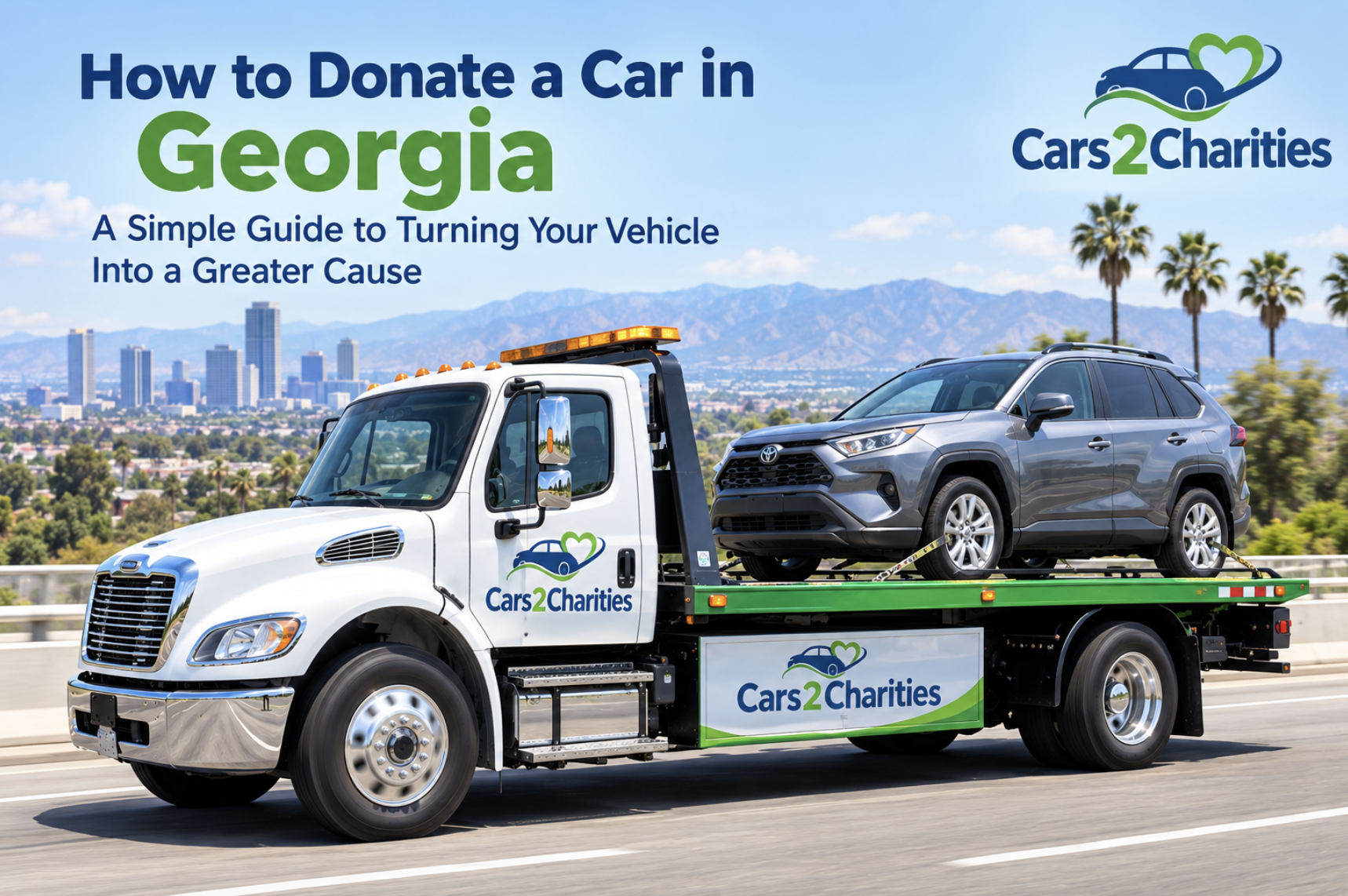
One of the major advantages of donating a car is convenience. Instead of trying to find a buyer and arrange a meeting, a vehicle donation program can coordinate with a towing provider to pick up the vehicle.
Pickup arrangements depend on factors such as your location, the vehicle’s condition, and towing availability. Be sure to provide an accurate address and reliable contact information so the pickup can be coordinated successfully.
If your vehicle is not running, don’t assume it cannot be donated. Many vehicle donation programs accept non-running vehicles and can arrange appropriate towing equipment.
Step 6: Prepare Your Vehicle for Pickup
Before the tow truck arrives, remove your personal belongings from the vehicle. Check the glove compartment, center console, trunk, cargo area, and other storage spaces.
It is also a good idea to remove personal documents and anything else you do not want to leave inside the vehicle.
If you have been instructed to remove your license plates, follow the donation program’s instructions. In Georgia, vehicle registration and title requirements can depend on the circumstances of the transfer, so donors should follow the appropriate state and program guidance.
Make sure you have any required paperwork available when the vehicle is picked up.
Step 7: Complete the Donation and Transfer Paperwork
Proper paperwork is an important part of the donate a car process. Depending on your circumstances, you may need to provide or complete documents related to ownership and the transfer of the vehicle.
The donation organization or its representatives should provide instructions regarding the paperwork required for your specific donation.
Do not leave important sections blank unless you have been instructed to do so. Keeping copies of relevant donation documents for your records is also a good practice.
Step 8: Understand Your Potential Tax Deduction
One reason people choose vehicle donation is the possibility of receiving a tax deduction. However, donating a car does not automatically mean that you will receive a specific dollar amount as a tax deduction.
Federal tax rules governing charitable vehicle donations can depend on factors such as the vehicle’s eventual sale price, how the charitable organization uses the vehicle, and your individual tax situation.
For example, special rules can apply to donated vehicles that are sold by a charity. The charity may provide documentation indicating the amount relevant to the donor’s potential deduction.
If you plan to claim a deduction, keep your donation receipt and other supporting documentation. Because tax situations vary, consider speaking with a qualified tax professional or reviewing current IRS guidance to determine how the rules apply to you.
Step 9: Keep Your Donation Records
After your vehicle has been picked up, keep your donation paperwork in a safe place. Depending on the circumstances, your records may include the donation receipt, vehicle information, transfer documents, and other documentation provided by the donation organization.
Good recordkeeping can make it easier to document your charitable contribution if you plan to claim a deduction.
Why Donate a Car in Georgia?
There are several reasons Georgia residents may choose to donate an unwanted vehicle instead of selling it.
An unused vehicle can take up space and may continue to create expenses. Selling it privately can also involve advertising, answering messages, negotiating a price, meeting prospective buyers, and handling paperwork.
With a car donation, you can potentially turn that unwanted vehicle into support for a charitable organization while avoiding many of the hassles associated with a private sale.
Vehicle donation can also be an opportunity to support a cause that matters to you. Instead of allowing an unused car to continue sitting idle, you can give it another purpose.
Can You Donate a Car That Doesn’t Run?
In many cases, yes. Vehicle donation programs frequently accept cars that are not currently running, although eligibility depends on the program and vehicle.
When completing your donation form, provide accurate information about the vehicle’s condition. Let the donation organization know if it does not start, has mechanical problems, or has been damaged.
This information allows the organization to determine whether the vehicle can be accepted and what type of pickup arrangements may be necessary.
What Types of Vehicles Can Be Donated?
Cars are not the only vehicles that may qualify for donation. Depending on the donation program, eligible vehicles can include trucks, SUVs, motorcycles, RVs, boats, and other types of vehicles.
Because acceptance requirements vary, the best approach is to provide the donation organization with accurate information about the vehicle you want to donate.
Donate Your Car in Georgia and Make a Difference
For Georgia residents with an unwanted vehicle, donating a car can be a simple way to turn something you no longer need into support for a charitable cause. From completing the initial donation form to scheduling pickup and receiving documentation, the process can be handled step by step.
If you have an old vehicle sitting unused, don’t assume that selling it privately is your only option. A car donation can save you the time and hassle of finding a buyer while giving your vehicle an opportunity to benefit a nonprofit organization.
When you are ready to donate a car in Georgia, choose a reputable vehicle donation program, provide accurate vehicle information, follow the required paperwork instructions, and keep your donation records. With the right preparation, your unwanted vehicle can have a meaningful second life while helping support a charitable organization.